















Alright, let's talk about games. All of them. Seriously, take a moment. Just… all games. It’s a ridiculous, wonderful, utterly overwhelming concept, isn't it? From the simplest browser clicker to sprawling, epic RPGs that demand hundreds of hours of your precious life, the sheer scope of interactive entertainment available today is mind-boggling. And frankly, a little thrilling.
I mean, where do you even begin? For years, I kinda pigeonholed myself. Stuck to my first-person shooters, maybe an occasional strategy game if the mood struck. But then, something shifted. Maybe it was seeing my niece utterly absorbed in a crafting game, or a friend raving about some obscure narrative experience I’d never heard of. It hit me: limiting yourself in gaming is like deciding you only like one flavor of ice cream. Sure, chocolate's great, but have you tried mint chip? Or pistachio? Or that weird avocado one that actually turned out to be amazing?
The point is, the world of all games isn't just a list; it’s a living, breathing, constantly evolving ecosystem. And frankly, it’s beautiful. Let me try to break down why it's so much more than just pixels and play buttons.
The Ever-Expanding Universe of Play
Think about it: board games, card games, tabletop RPGs, video games (and oh, the sub-genres within that!), mobile games, VR experiences, AR scavenger hunts. We've got stuff that literally requires you to get up and move, like Wii Sports back in the day (remember the sore arms?), or the latest rhythm game on Quest. Then there are the deeply cerebral puzzles that challenge your very perception, or the frantic arcade classics that just want to test your reflexes for a few minutes. It's a spectrum, you see?
And the technology! It’s wild. I remember when the biggest jump was from 2D sprites to clunky 3D polygons. Now? We're talking about photorealistic graphics that blur the line between game and film, or AI-driven NPCs that adapt to your playstyle. It’s not just about what you can do, but how immersive and believable the experience can be. It's truly fascinating, watching the industry push boundaries. Just look at how rapidly hardware evolves; it's a testament to our insatiable appetite for new ways to play.
Finding Your Tribe: More Than Just Genres
Okay, so "genres" are helpful, right? FPS, RPG, RTS, platformer... but sometimes, they don't quite capture the vibe. What if you just want to relax? Or get a good story? Or maybe you're in the mood to conquer something? That's where I think we often miss the forest for the trees when we talk about all games.
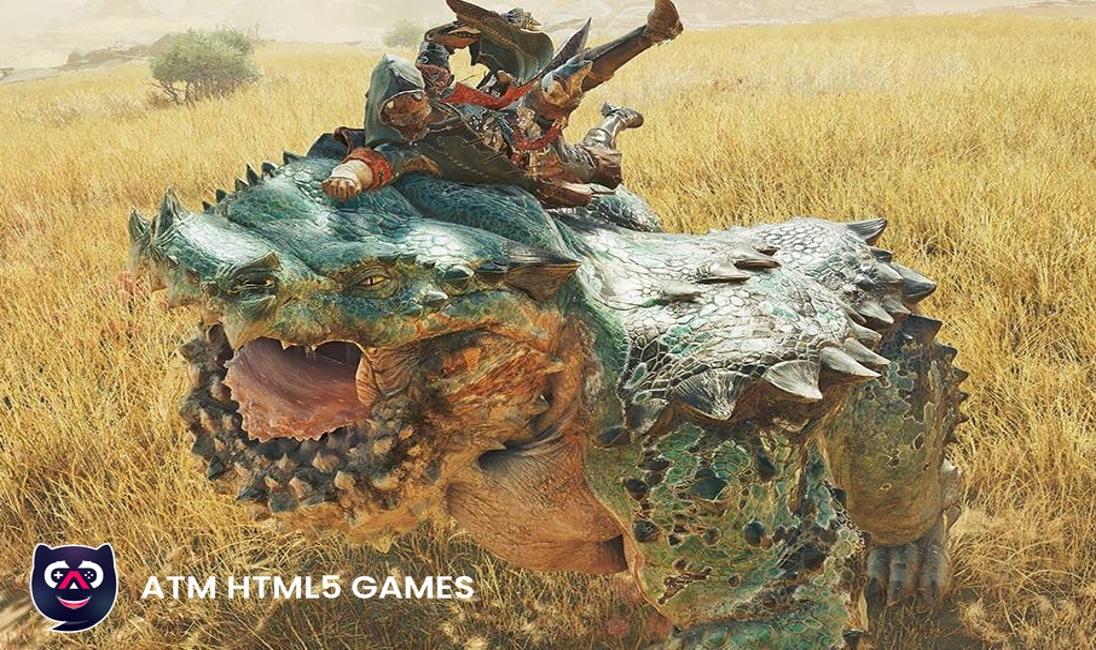
It's less about the specific mechanics and more about the experience you're seeking. Want to feel like a powerful, ancient creature? There are incredible dragon-themed games out there. Craving social interaction without the pressure of a twitch-shooter? Think cozy co-ops or expansive MMOs. Some games are designed purely for competition, sharpening your skills against others, while some are pure artistic expression, designed to make you think, or even make you cry (I'm looking at you, Telltale). It’s about matching your mood to the game, really. And there's a game for every mood, every single time.
Actually, I think a big part of why people get into gaming, beyond just the fun, is the sense of community. Whether it's online guilds, local esports scenes, or just chatting with friends about a new release, gaming often builds bridges. It's a shared language, an instant connection point with millions worldwide. And that's something pretty special, if you ask me.
The Indie Revolution and Beyond
You know, for a long time, the gaming landscape felt dominated by a few massive studios, churning out sequels to established franchises. Not that there's anything wrong with those! But then, the indie scene absolutely exploded. Suddenly, small teams, sometimes just one person, could bring incredibly unique, heartfelt, and experimental visions to life. Think of titles like Stardew Valley, Hollow Knight, or Undertale. These weren't built on multi-million dollar budgets, yet they captivated millions. They proved that innovation and a strong creative vision could trump sheer graphical power any day. It's actually a wonderful testament to the power of passion in game development.
And this democratization of game creation continues. Tools are becoming more accessible, distribution platforms more open. It means the definition of "game developer" is expanding, and with it, the types of experiences we get. It's exciting to imagine what comes next, really. According to an article from IGN last year, the indie market is not just surviving but thriving, continuously pushing the boundaries of what gaming can be.
Nostalgia, Innovation, and What Comes Next
So, where does this leave us? With an almost infinite playground, that's where. We have the classics, lovingly emulated and remastered, allowing us to revisit our pixelated pasts. We have the cutting edge, pushing realism and immersion to new heights. And crucially, we have a vibrant independent scene constantly challenging our preconceptions of what a game is.
The frustrating thing about trying to categorize all games is that it's a moving target. As soon as you think you've got a handle on it, someone invents a new genre, a new platform, a new way to interact. But that's also the beauty of it, isn't it? The constant discovery. The endless potential for that next obsession, that next shared experience, that next story that sticks with you long after the credits roll. So, go on. Dive in. There's a whole universe waiting, and trust me, you haven't seen it all yet.
Frequently Asked Questions About All Games
Got some lingering thoughts? Here are a few common questions I hear about diving into the vast world of gaming.
How do I even start exploring all the different types of games?
Honestly, just pick something that looks interesting! Watch some trailers, read reviews, or better yet, ask a friend what they're playing. Don't be afraid to try a free-to-play option to dip your toes in.
Are mobile games “real” games?
Absolutely! The idea that mobile games aren't "real" games is a total misconception. Many offer incredibly deep gameplay, rich stories, and competitive multiplayer experiences, proving that fun comes in all forms, regardless of platform.
What if I'm not good at games?
Nobody starts out a pro! There are tons of games designed for casual players, or with adjustable difficulty settings. The goal is to have fun, not necessarily to be the best.
How can I find games that match my specific interests?
Think about what you enjoy outside of gaming – history, puzzles, stories, creativity, competition – and then search for games that incorporate those elements. Gaming platforms also have excellent recommendation engines based on your past plays.
- First important point about the content
- Second point with detailed explanation
- Another noteworthy detail
- Final concluding thought