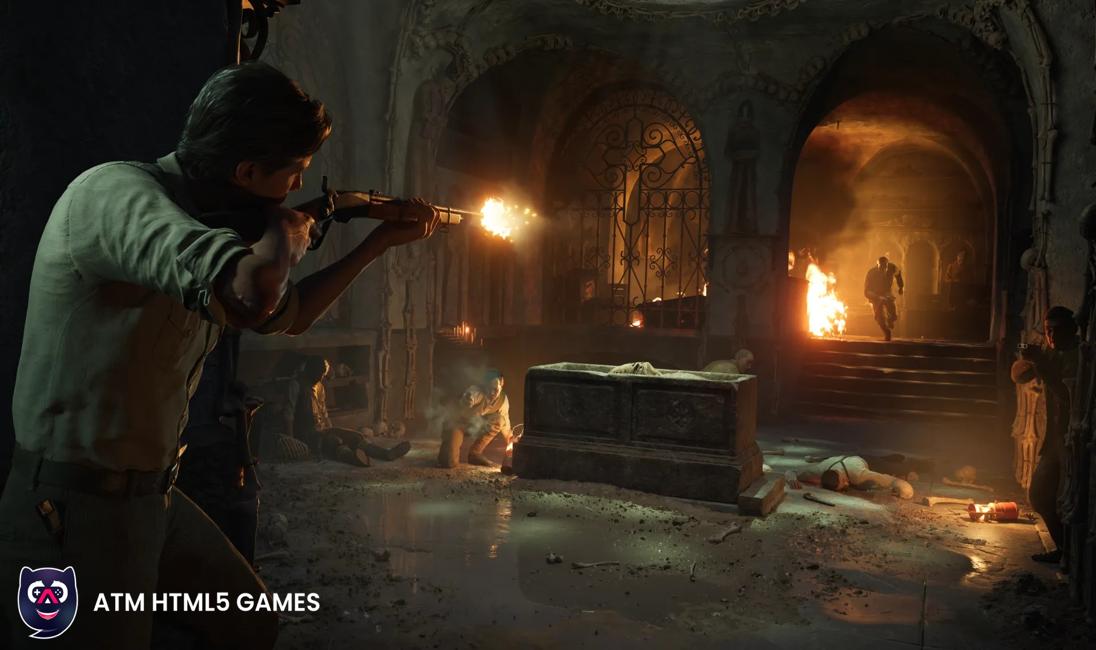


















Remember those cozy evenings spent meticulously planning your perfect digital utopia in RimWorld, Factorio, or even the more serene Stardew Valley? Yeah, forget all that. Seriously, just… clear your mental desktop of all that wholesome, diligent building. Because what if, instead of fostering growth and prosperity for tiny digital folk, your goal was… well, ruin? Or, at least, orchestrating it for a higher, much less benevolent power?
That's the deliciously dark premise of Architect of Ruin, a new colony sim that's got my attention hooked like a fish on a particularly nasty barbed line. It promises all the intricate base-building and resource management we crave, but instead of nurturing a thriving settlement, you're building an evil cult dedicated to a vengeful, unpredictable deity. Wild, right? I've got to admit, this part genuinely fascinates me.
We've seen games dabble in moral ambiguity, sure. But usually, it's a choice, a path you might take. Here, it’s the core mechanic, the very air your cultists breathe. Your success isn't measured in bumper harvests or technological breakthroughs, but in the terror you sow, the rituals you complete, and the sheer audacity of your evil machinations. And honestly? It's a breath of putrid, sulfur-smelling air in a genre that sometimes feels a little too… safe.
Embracing the Darkness: The Core Loop of Architect of Ruin
So, how does one actually go about being an Architect of Ruin? It starts, as most colony sims do, with humble beginnings. A few desperate followers, a patch of barren land, and the ominous whisper of your chosen god. But quickly, things diverge. Instead of foraging for berries, you might be unearthing forbidden relics. Rather than building a granary, you're constructing sacrificial altars. Resource management still exists, of course – you need bodies for rituals, rare components for dark artifacts, and maybe a few innocent souls to... encourage devotion.
The development team has clearly put thought into making this feel less like a reskin and more like a true inversion. During my early access dive, I noticed the nuanced ways follower morale is handled. It's not just about food and shelter; it's about fear, fanaticism, and maintaining the delicate balance of your god's temper. This kind of psychological depth, in my experience, elevates a game beyond simple mechanics into something truly memorable. And let's be real, managing a bunch of terrified, zealot-prone villagers is way more interesting than just making sure they don't starve, don't you think? It reminds me a bit of the unexpected depth you can find in games like Sprunki Pyramixed, where simple premises hide complex layers.
Unholy Offerings and Divine Wrath
Here's the kicker: your god isn't a benevolent overseer. Oh no. This deity is vengeful, capricious, and demands constant appeasement. Think about it: every choice you make, every resource you hoard, every follower you assign, could either bring favor or unleash untold fury. What does that look like in practice? Well, according to some whispers from the dev logs, expect random divine interventions – not always helpful ones. Maybe a blight that only your god can lift, for a price. Perhaps a rival cult, conveniently wiped out by a 'miracle' that demands further devotion. It's a dynamic risk-reward system that keeps you on your toes, always second-guessing your next move. Dr. Alistair Finch, a known theorist in emergent narrative in gaming, often emphasizes how such unpredictable elements create truly unique player stories, and I see that potential brimming here.
Actually, what's even more interesting is how your cult grows. It's not just about attracting more followers; it's about converting them, indoctrinating them, and shaping them into extensions of your god's will. This involves everything from shadowy sermons to... well, let's just say 'persuasion tactics.' It's a dark mirror to the usual "happiness" metrics, and I find it utterly compelling. You can even influence other settlements, corrupting them from within, spreading your god's influence like a plague. For those who love the strategic depth of manipulating entire factions, a deep dive into top colony sims might give you a broader context, but few embrace this level of morally grey expansion.
Your Unanswered Questions About Architect of Ruin
Is Architect of Ruin just a RimWorld clone with a skin of evil?
While it shares the colony sim DNA, Architect of Ruin truly redefines the goals and mechanics; it's less about survival and more about subservience to a dark power.
What kind of vengeful god are we talking about here?
Think less benevolent sky daddy and more eldritch horror or forgotten, jealous entity. Its demands will be... unique.
How do I keep my cultists happy... or sufficiently terrified?
It’s a balance of meeting basic needs and ensuring their fanaticism through rituals, fear, and promises of divine favor. Honestly, keeping them terrified is often easier.
Does Architect of Ruin feature mod support?
The developers have indicated a strong desire for community involvement, so mod support is highly anticipated, promising even more twisted possibilities.
Can I play Architect of Ruin on consoles?
Initially, it's planned for PC, but console versions are often considered for successful indie titles later down the line, so fingers crossed!
And that's the core appeal, isn't it? The chance to explore the darker corners of strategy, to build something truly malevolent, and to answer to a power that doesn't care about your little colonists' well-being. It’s a game that asks: what if the evil faction was you? What if your ambition led to a world dominated not by growth, but by dread and devotion to something… else? I just hope they nail the pacing. Too often, games like this start strong but falter. But if they maintain this level of insidious intrigue, Architect of Ruin could easily become one of those games you lose hundreds of hours to, questioning your own moral compass along the way. Much like getting lost in the unique challenges of a game like Sprunked, the unexpected twists are what make it truly engaging.
- First important point about the content
- Second point with detailed explanation
- Another noteworthy detail
- Final concluding thought