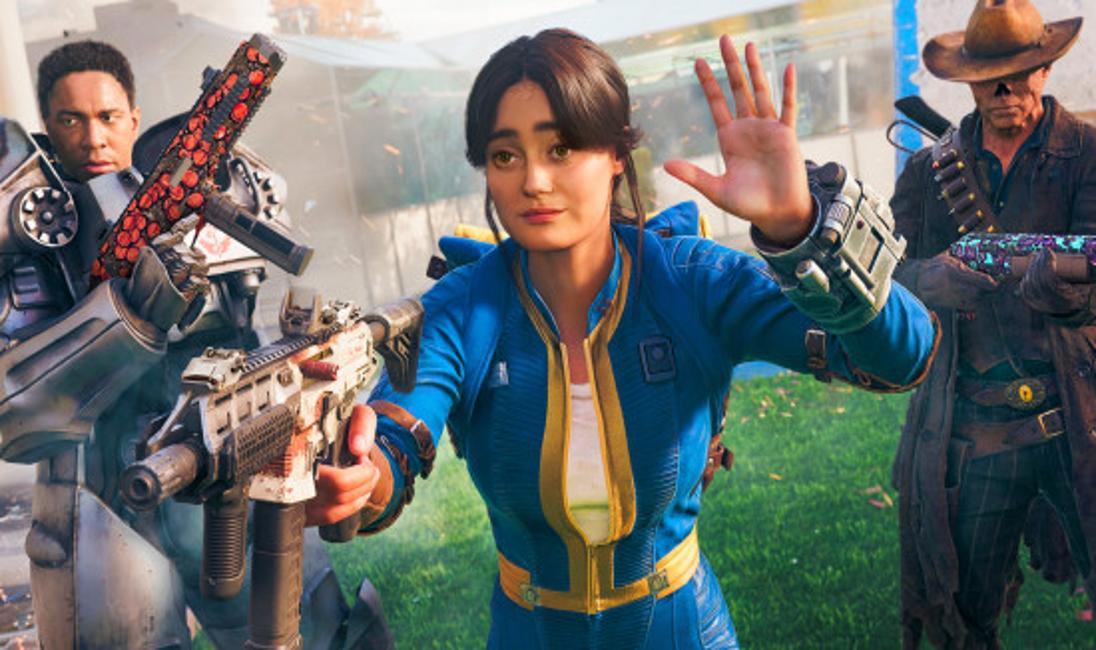
Alright, so we're talking about the rumored Black Ops 7 Fallout crossover. And honestly? My first thought was, "Oh, cool!" I mean, Nuka-Cola Quantum in a tactical shooter? Sign me up for the chaos! But then, almost immediately, this little voice in my head, the one that’s been playing Call of Duty since the original Modern Warfare, started whispering, "Wait, isn't this… wrong?" Because while it looks good on paper, a huge part of me worries it just completely, utterly detracts from CoD's long-standing (even if sometimes fumbled) goal of authenticity.
The Buzz and the Betrayal? Black Ops 7's Fallout Crossover
The internet, as it always does, exploded with leaks and whispers. Fallout gear, iconic Power Armor, maybe even some quirky Brotherhood of Steel nods in a CoD game? It sounds like fan fiction come to life, doesn't it? And, let's be real, part of me is absolutely buzzing with the novelty of it. Imagine dropping into a map and seeing someone rocking a T-60 Power Armor skin. It's ludicrous, yes, but undeniably attention-grabbing. I remember way back when, getting a kick out of the weirder character skins that started popping up in shooters, even if they sometimes broke the theme. Like, remember when you could play as a literal pyramid-headed monster? Exactly! This feels like that, but cranked up to eleven with an entire beloved IP. But here's the thing: Call of Duty, for all its over-the-top cinematic campaigns and occasionally questionable plotlines, has always, always, anchored itself in a certain kind of gritty, plausible (for a video game) military realism. Even the sci-fi stuff in Advanced Warfare or Black Ops 3 tried to maintain a semblance of near-future possibility. This? This is a giant leap into full-blown fantasy.
A Glimmer of Nuka-Cola in the Warzone
Now, I'm not going to sit here and be a complete curmudgeon. There's an undeniable charm to the idea. Fallout's aesthetic is iconic, vibrant, and packed with personality. Bringing that vibrant, retro-futuristic post-apocalypse to the comparatively dour world of Black Ops could inject a much-needed dose of pure, unadulterated fun. Think of the unique weapon camos! The operator skins! The potential for wildly creative in-game events. As someone who’s spent an embarrassing number of hours wandering the Wasteland, I can see the appeal of seeing those familiar elements in a completely different context. It’s almost like a little easter egg hunt, right? Industry analysts and prominent gaming news outlets have even suggested that these kinds of crossovers are increasingly important for player engagement, pulling in diverse fanbases and keeping the game fresh – you can read more about it over at a leading gaming news site. And who doesn't want a bit of fresh in their annual CoD cycle?
The Gritty Reality vs. Post-Apocalyptic Fun
But let's circle back to that authenticity thing. CoD's bread and butter, especially the Black Ops series, has been its semi-historical (or alternate history) settings, its clandestine operations, and its grounding in actual military gear and tactics. Even when it veers into the fantastical, it maintains a certain internal logic. Fallout, however, is a world built on atomic age paranoia, irradiated creatures, and power armor that's less a realistic combat suit and more a walking tank of pure Americana. Mashing these two together, while potentially lucrative, feels like it fundamentally misunderstands what makes CoD, well, CoD. It’s a tonal clash, like trying to blend a serious war documentary with a quirky cartoon. When I’m trying to immerse myself in a tactical firefight, seeing someone waltz past in a Vault Boy suit is going to yank me right out of it. It’s not just about realism, it’s about consistent world-building. What’s next? A Sprunki collaboration? Where do you draw the line?
Where Does This Leave CoD's Identity?
This whole situation makes me wonder: is Call of Duty becoming a parody of itself? Is it so desperate to chase trends and revenue streams that it's willing to sacrifice the very identity that made it a global phenomenon? I've got to admit, this part really frustrates me. It feels like a slippery slope. If we accept Fallout, what's next? Fortnite dances? Super Mario power-ups? Exaggerating, yes, but you get my drift. While I understand that games evolve, and monetization is a huge factor for publishers like Activision, there's a delicate balance to be struck between innovation and integrity. This crossover, in my humble opinion, leans too far into gimmickry and risks alienating the very players who appreciate CoD's particular brand of immersive, albeit chaotic, warfare. It's a calculated risk, I suppose, but one that could fundamentally alter the franchise’s perception for years to come.
FAQ: Black Ops 7's Crossover Quandaries
Is the Black Ops 7 Fallout crossover real?
Currently, it's widely considered a strong rumor based on leaks, but Activision hasn't officially confirmed the partnership yet.
Will the Fallout content be permanent or limited-time?
If true, most major crossovers like this are usually limited-time events, but specific cosmetic items often remain available for purchase.
Won't a Black Ops 7 Fallout crossover break immersion?
That's a major concern for many players who value CoD's more grounded (or at least internally consistent) aesthetic.
Why would CoD do a Fallout crossover?
It's likely aimed at boosting player engagement, attracting new fans from the Fallout community, and driving cosmetic sales.
So, where do we land? On one hand, the sheer fun, the unexpected joy of seeing two behemoths collide. On the other, the nagging feeling that something vital, something fundamental to Call of Duty’s identity, is being diluted, perhaps even lost. I’m torn, genuinely. I want to embrace the silliness, but my gamer heart, the one that remembers the stark realism of a muddy trench or a tense urban clear-out, just can’t quite reconcile a Minuteman General next to a spec ops soldier. Maybe it'll be amazing, a blend so seamless it redefines crossovers. Or maybe, just maybe, it's a step too far into the absurd for a game that used to pride itself on making us believe, however fleetingly, that we were actually there.
- First important point about the content
- Second point with detailed explanation
- Another noteworthy detail
- Final concluding thought