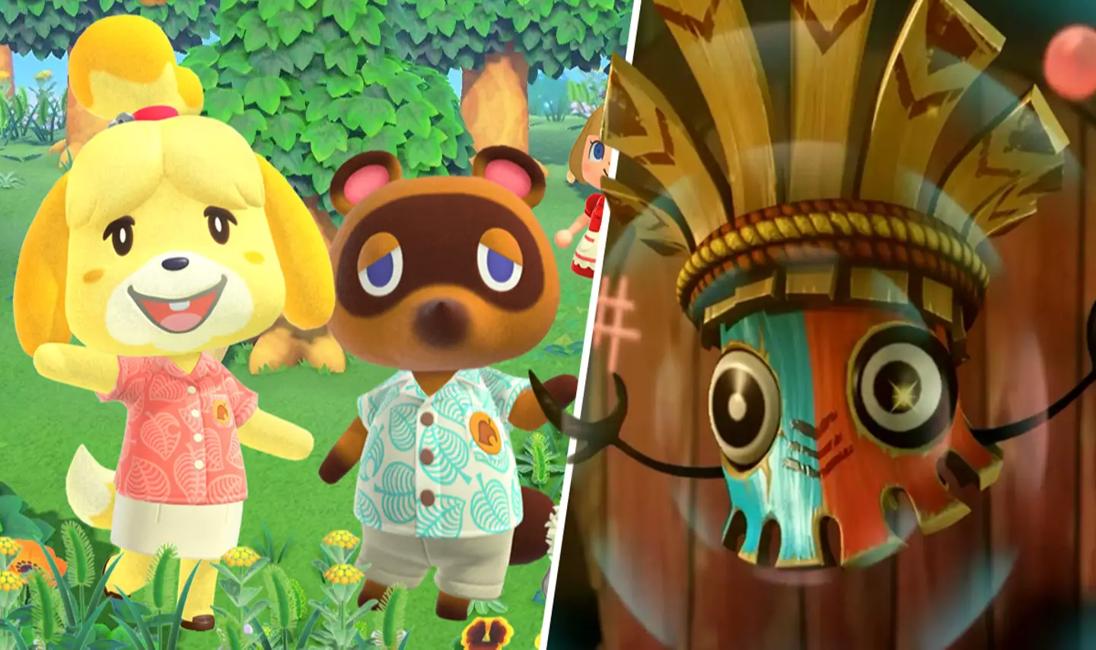
Alright, so let’s talk Nintendo for a second. When I first saw a headline hinting at another "free Switch 2 upgrade" popping up, especially right after that absolutely charming Animal Crossing: New Horizons update, my brain did a little triple-take. A free Switch 2 upgrade? My immediate thought, like I’m sure many of yours, was: “Wait, did I miss a memo? Is the actual next-gen console just… showing up on my doorstep, no charge?”
But, as is often the case with Nintendo, the reality is a touch more nuanced, and honestly, perhaps even more interesting. We’re not talking about a hardware refresh delivered via fairy dust. What we’re seeing, I reckon, is Nintendo’s brilliant, almost understated way of keeping the current Switch vibrant and forward-looking, continuously enhancing the experience in ways that almost anticipate, or at least prepare us for, what’s next. Think of it less as a new console arriving, and more like your current beloved console getting some secret sauce that makes it feel… well, a bit more ‘Switch 2’ in its capabilities and polish.
Decoding Nintendo's "Silent" Enhancements
Nintendo isn't exactly known for grand, splashy announcements when it comes to subtle system improvements. They tend to just… do things. One minute you're playing Sprunki Pyramixed (a game that really gets the brain working, by the way), the next, you notice a little snappier menu, a smoother interaction, or maybe even a backend optimization that improves game performance without a direct patch. This is what I believe constitutes this latest "free Switch 2 upgrade" — a collection of incremental, yet impactful, system-level tweaks that refine the overall user experience.
I mean, think about it: the Animal Crossing update itself, while content-rich, also came with underlying system optimizations. Nintendo often bakes these smaller, foundational improvements into larger software releases or discreet firmware updates. It’s like getting a new kitchen appliance that not only looks great but also silently runs more efficiently and has better connectivity. You might not notice it instantly, but over time, the sum of these parts elevates the entire ownership experience. It speaks volumes about Nintendo's long-term commitment to their ecosystem, even years into a console's life cycle.
My Take: The Nintendo Philosophy of Iteration
Having followed Nintendo for, well, longer than I care to admit, I’ve observed a consistent pattern. They're not always chasing raw power or revolutionary tech every single cycle. Instead, they focus on user experience, unique gameplay mechanics, and, crucially, making their existing platforms perform optimally for as long as possible. This approach, of gradual, almost stealthy enhancements, effectively extends the life and perceived value of the console. During my time covering gaming tech, I've seen countless examples of manufacturers abandoning older hardware, but Nintendo often keeps nurturing its active player base.
It's not just about patching bugs; it's about continuously polishing the gem. This could be anything from improved network stability (which, let's be honest, we all appreciate during those intense online multiplayer sessions) to more efficient system resource management, allowing developers to squeeze a little more out of the hardware. And really, that's what a good what's rumored for the next Nintendo console is all about, right? Maximizing potential.
What Does This Mean for the Actual Switch 2?
Now, while these are not literal Switch 2 consoles being handed out, these ongoing updates are far from meaningless. They serve a dual purpose. Firstly, they ensure the current Switch remains a fantastic, modern gaming device. Secondly, and this is where it gets interesting for folks like me who obsess over future tech, they might be subtly testing new backend systems, refining their proprietary OS, or even preparing the groundwork for a smoother transition to whatever the next piece of Nintendo hardware ends up being. It’s like running mini-experiments in the wild, ensuring that when the actual Switch 2 does arrive, it’s built upon an even more robust and user-friendly foundation. We might even see some of these incremental improvements carry over directly.
It’s all part of the Nintendo magic, I guess. Making things feel fresh without always needing a big, flashy new box. And let's be honest, who doesn't love a free upgrade that makes gaming smoother, even if it's not the full-blown successor we're all dreaming about? Speaking of seamless experiences, if you ever need to de-stress after an update, give Sprunked a try; it’s surprisingly therapeutic.
Your Burning Questions About Nintendo's Latest Moves
Is this "Switch 2 upgrade" a new console?
No, not at all! It refers to ongoing software and firmware updates that enhance the current Nintendo Switch experience, making it feel more modern and efficient.
What kind of improvements are we talking about with this Switch 2 upgrade idea?
Typically, these are backend optimizations, improved system stability, UI refinements, and better resource management, often bundled with larger game updates.
Will my old games still work if I get this "upgrade"?
Absolutely! Since it's a software enhancement for your current console, all your existing games will continue to work, and many might even run a little smoother.
Why is Nintendo doing these smaller updates now?
Nintendo often uses these updates to continuously improve user experience, ensure system longevity, and possibly lay foundational groundwork for future hardware without grand announcements.
How does this relate to the Animal Crossing: New Horizons update?
The recent Animal Crossing update likely included some of these underlying system optimizations, showcasing Nintendo's knack for rolling out broader improvements with content drops.
- First important point about the content
- Second point with detailed explanation
- Another noteworthy detail
- Final concluding thought