














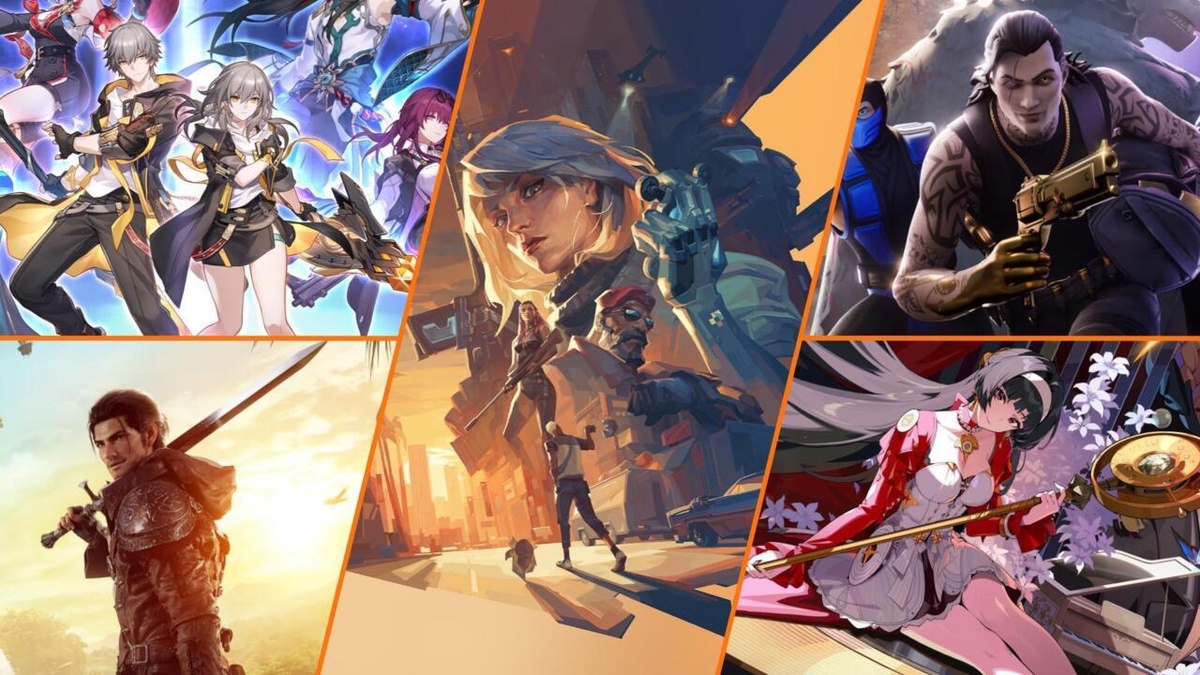
Alright, let's talk about something truly wonderful, shall we? You know, the kind of joy that doesn't demand your entire paycheck or even a single penny, really. I'm talking about free-to-play games. And honestly, for a long time, I was a bit of a skeptic. My brain, wired for traditional gaming purchases, always thought, "Surely, if it's free, it can't be that good, right?" Oh, how wrong I was! It’s wild how much the landscape has shifted, isn’t it?
Think about it: we're living in an era where some of the most innovative, engaging, and downright addictive experiences are available without an upfront cost. I remember pouring countless hours into classic console games, meticulously saving up for each new release. Now? My Steam library and various app stores are brimming with fantastic titles I haven't paid a dime for. It's almost... revolutionary, if you ask me. This isn’t just about saving money; it’s about accessibility, about breaking down barriers so everyone, regardless of their budget, can jump into a vibrant digital world. I mean, who doesn't love that?
Why "Free-to-Play" Isn't a Dirty Word Anymore
Seriously, for a while there, "free-to-play" had a bit of a bad rap. Visions of predatory monetization schemes, pay-to-win mechanics, and endless grind loops danced in our heads. And sure, some games still lean into those darker aspects. But here's the thing: the market has matured, massively. Developers have realized that the best way to keep players engaged (and maybe, just maybe, spend a little on cosmetics or a battle pass later on) is to make an excellent game first. No kidding! The emphasis has really swung towards quality gameplay, robust community features, and constant content updates. You know, actual value. It’s a win-win, truly. For instance, the sheer depth available in many competitive online games, from intricate strategy titles to fast-paced shooters, often rivals their premium counterparts. The evolution has been fascinating to watch, especially for someone who's been gaming since the Atari days.
My Top Picks: Diving into the Free-to-Play Ocean
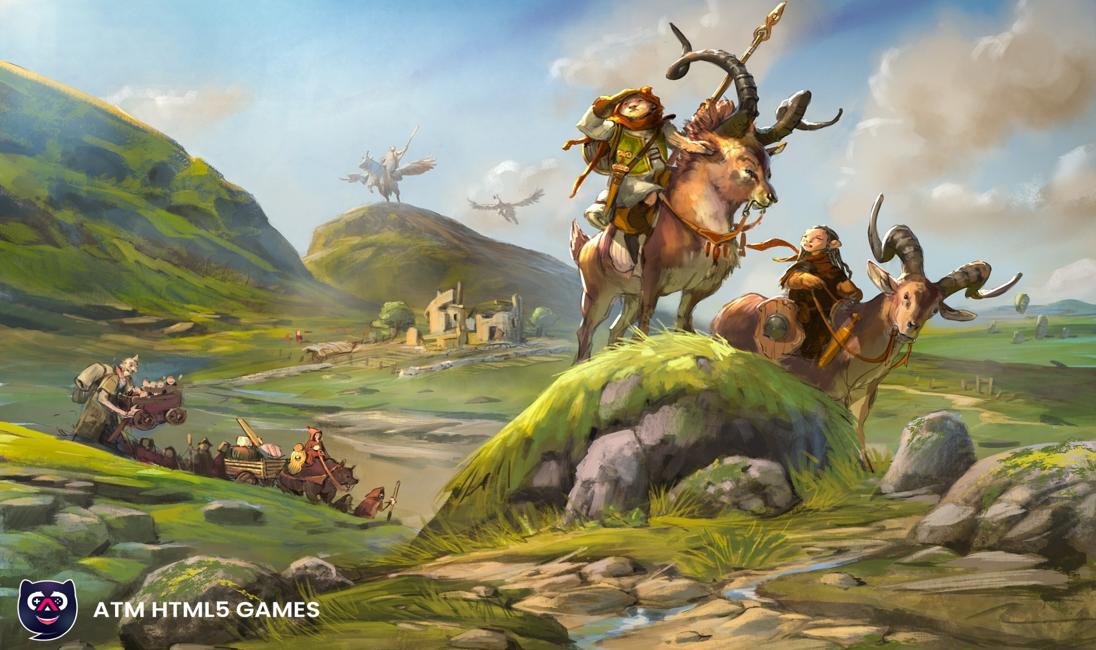
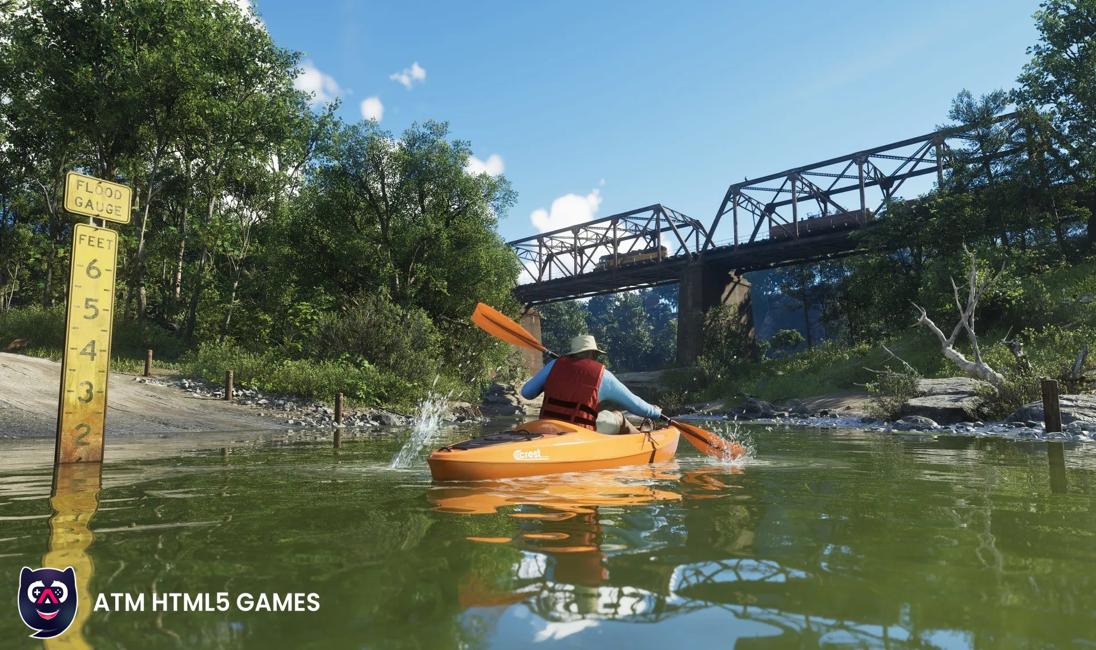
Okay, so where do you even start? The ocean of free-to-play games is vast, intimidating even. Let me try to narrow it down a bit, based on what consistently captures my attention and, well, my free time. First up, you can't ignore the titans. Genshin Impact, for example, offers an open-world experience that easily holds its own against full-priced RPGs. The exploration, the elemental combat, the sheer amount of story content – it’s baffling it’s free. And then there are the card games, like Hearthstone, which manages to be both strategically deep and surprisingly accessible. It’s just so well-polished. But if you're like me and sometimes you need something a bit more, shall we say, chaotic, consider some of the newer battle royales or even quirky indie offerings popping up on platforms like Steam. You might even discover a gem that perfectly fits your latest gaming obsessions, completely by accident!
The Subtle Art of Monetization: How Free-to-Play Works (Without Breaking the Bank)
You might be wondering, "But how do these companies make money if the games are free?" Good question! It's an important distinction, and frankly, a mark of trustworthiness for a good F2P title. Mostly, it comes down to optional purchases: cosmetic items, character skins, battle passes that unlock goodies over time, or sometimes, quality-of-life improvements that don't directly affect gameplay balance. Think of it like this: you're enjoying a fantastic concert for free, and if you really love it, maybe you buy a band t-shirt afterwards. That's the ideal scenario. The key is that these purchases are entirely discretionary and never feel mandatory to enjoy the core experience. When it comes to player retention, a fair monetization model is absolutely crucial, as Dr. Anya Sharma of the International Journal of Gaming Studies noted in her 2023 analysis on sustainable game economies. It just makes sense, doesn't it? If players feel exploited, they'll bounce.
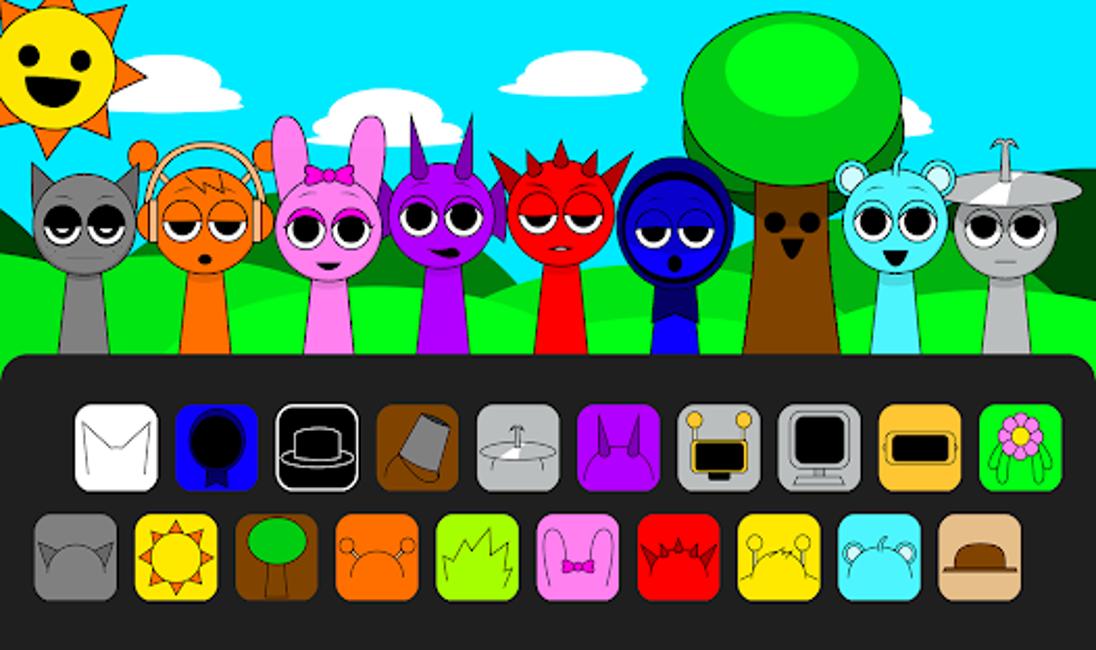
Actually, one of the most interesting trends I’ve noticed is how some smaller studios are leaning into free-to-play as a way to build a community first, sometimes even before a game is fully "finished." It's a sort of living, evolving product, shaped by player feedback. This dynamic approach, where updates and new features are constantly rolled out, can keep a game feeling fresh for years. Remember when casual gaming sites used to be the only place for free fun? We’ve come a long way, baby.
Finding Your Next Obsession Among Free-to-Play Games
So, my advice? Dive in. Experiment. There’s truly nothing to lose, except maybe a few hours of sleep because you found something so good you couldn’t put it down. Whether you're into competitive esports, relaxing simulators, or epic adventures, the world of free-to-play has something for you. Don't let old prejudices hold you back from discovering your next favorite game. The possibilities are, dare I say, endless.
Frequently Asked Questions About Free-to-Play Games
Are all free-to-play games riddled with microtransactions?
Not at all! While many have optional purchases, most quality free-to-play games offer a complete and enjoyable experience without spending a dime. It's about finding the right balance.
Can I genuinely compete in free-to-play games without spending money?
Absolutely! The best free-to-play games, especially in competitive genres, are designed so skill and strategy, not wallet size, determine victory. Avoid "pay-to-win" titles.
What's the best way to discover new free-to-play games for my game of the year backlog?
Keep an eye on popular gaming platforms like Steam, Epic Games Store, and mobile app stores. Also, gaming news sites and content creators often highlight new and exciting free-to-play options.
Are free-to-play games safe to download?
Generally, yes, if you download them from official and reputable sources like verified app stores or game launchers. Always be wary of unofficial sites to avoid malware.
- First important point about the content
- Second point with detailed explanation
- Another noteworthy detail
- Final concluding thought