


















Ever found yourself staring at a Freecell board, convinced you're just one move away from glory... only to realize you've painted yourself into a corner? Yeah, me too. More times than I care to admit, actually. It's a classic, isn't it? Freecell Solitaire, that unassuming little card game that came bundled with, well, pretty much every Windows OS for decades. For me, it's not just a time-killer; it’s a quiet obsession, a mental workout that offers such a satisfying 'aha!' moment when you finally clear that last foundation pile.
I mean, think about it: unlike some of its more luck-dependent Solitaire cousins, Freecell is almost always winnable. That’s a huge distinction, and frankly, it's what hooked me. It promises that if you just think hard enough, plan meticulously, and maybe, just maybe, see a move no one else would, victory is yours. And that, my friends, is a powerful draw.
The Unsung Genius of Freecell Solitaire
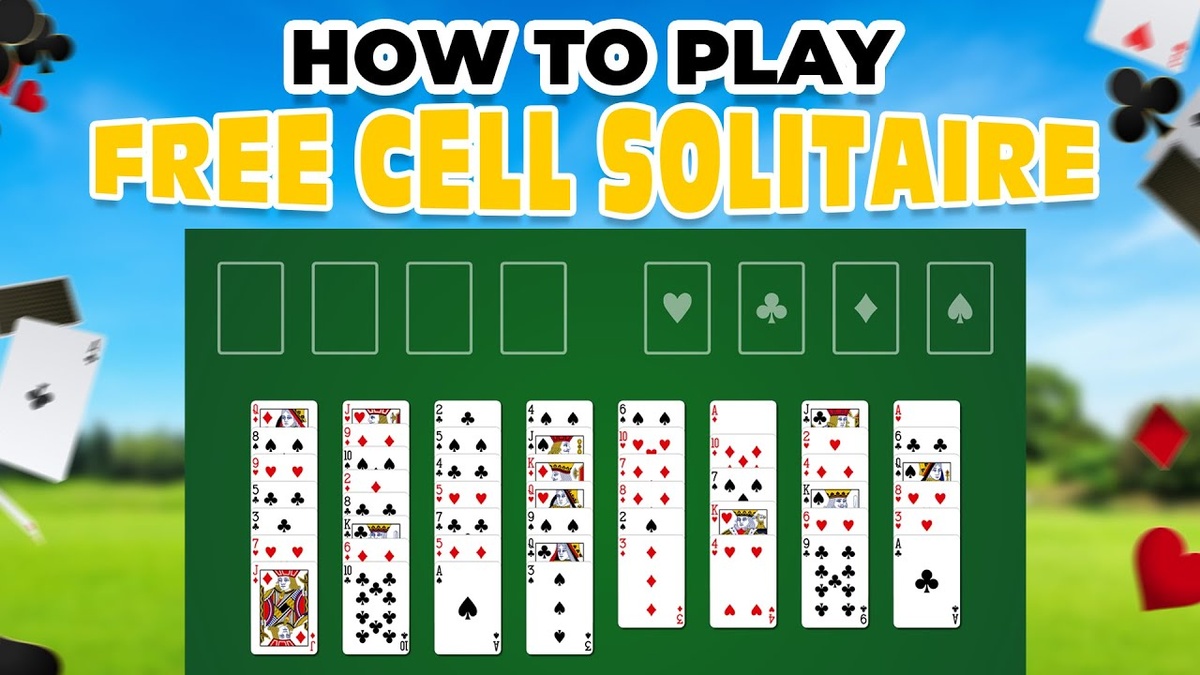
What makes Freecell different, really? It's those four open 'free cells' at the top left. They're your temporary parking spots, your tactical reserves, and honestly, the key to unlocking the whole game. Knowing when and how to use them effectively is the difference between a frustrating stalemate and a triumphant win. I've spent countless hours with Freecell – probably enough to earn a minor in it, if that were a thing – and I've picked up a few things. Little quirks, subtle strategies that really change the game from a random shuffle to a calculated dance.
And it's not just about moving cards around; it's about seeing the future, a few moves ahead. It's an exercise in patience and spatial reasoning. It makes you think about how games evolve, doesn't it? Like, who'd have thought a simple card game would lead to epic JRPGs or even complex fighting games? Speaking of which, sometimes I wander off thinking about new Dragon Quest JRPG releases, which is a whole different rabbit hole, but the principle of strategic planning is kinda universal, right?
Your First Moves Matter: Laying the Foundation for Victory
Okay, so let's get down to brass tacks. You just dealt a new game of Freecell. What's the absolute first thing you should do? Don't just start moving cards randomly! This isn't a race. Take a breath. Look at the tableau. Seriously, this step is crucial. You're searching for aces and deuces buried deep. Your goal is always to get those foundation piles started as quickly as possible, building them up from Ace to King by suit. Prioritize freeing up those low cards.
And try to empty a column as early as you can. An empty column is like having an extra free cell, but even better! It allows you to move entire sequences of cards without needing multiple free cells. It’s a bit like deciding whether to spend real money to change your Monster Hunter Wilds look – sometimes you gotta commit, even if it feels a little risky.
Freecell Strategy: Mastering the Free Cells
Ah, the free cells themselves. Use them wisely, my friend. They're not just for any old card. Think of them as high-value real estate. Generally, you want to use them to extract cards that are blocking crucial moves, especially those low-ranking cards you need for your foundations, or to create an empty column. Don't fill them up willy-nilly with random cards that don't serve an immediate purpose. Each card in a free cell reduces your maneuvering space, potentially grinding your game to a halt.
According to some seasoned players I've discussed this with (and countless hours of my own trial-and-error), a good rule of thumb is to avoid leaving all your free cells full for too long. Keep at least one or two open if possible. This flexibility is your greatest asset. It allows for those multi-card shifts that are essential for deeper plays. Seriously, it's like a chessboard, every move opens or closes possibilities.
Beyond the Basics: Advanced Tips for Winning More Freecell Games
Once you’ve got the hang of the basics, you can start layering on more advanced techniques. Always be looking for opportunities to create empty columns – they are gold! Don't just settle for one; try to keep several open if the cards allow. This gives you incredible power to move long sequences. Also, think about 'deep dives' – sometimes you need to dig for a card. This might involve temporarily moving a lot of cards out of the way, even if it means using up most of your free cells for a brief period. The trick is to have a clear plan for how you'll clear those free cells again immediately after getting the card you need.
One final thought on Freecell Solitaire strategy: sometimes, the best move is to pause. Walk away for a minute. Your brain might just see the solution when you come back with fresh eyes. It's wild how often that works for me. It's a truly engaging puzzle, really, and one that offers endless permutations. For more in-depth strategies, you might want to check out some advanced Freecell tactics online – there's a whole community dedicated to this!
Freecell Solitaire FAQs – Let's Clear Things Up!
Is Freecell Solitaire purely luck-based?
Not at all! Unlike some other solitaire variants, Freecell is overwhelmingly a game of skill and strategy. The initial deal is fixed, so it's about making the right moves.
Can you always win a game of Freecell?
Almost! It's estimated that less than 1% of Freecell deals are truly unwinnable. So, if you lose, it's usually because you missed a path to victory.
What's the best way to use the free cells effectively?
Use them strategically to unblock critical cards (especially aces and deuces) or to facilitate moving longer sequences of cards. Don't just park random cards there if you can avoid it! Speaking of strategic plays, sometimes I find myself thinking about the strategic nuances in Xbox sale fighting games, where every button press is a calculated risk.
Any tips for when I get stuck?
Look for empty columns you can create, prioritize freeing up aces and deuces, and try to visualize several moves ahead. Sometimes, just undoing a few moves can reveal new possibilities!
- First important point about the content
- Second point with detailed explanation
- Another noteworthy detail
- Final concluding thought