












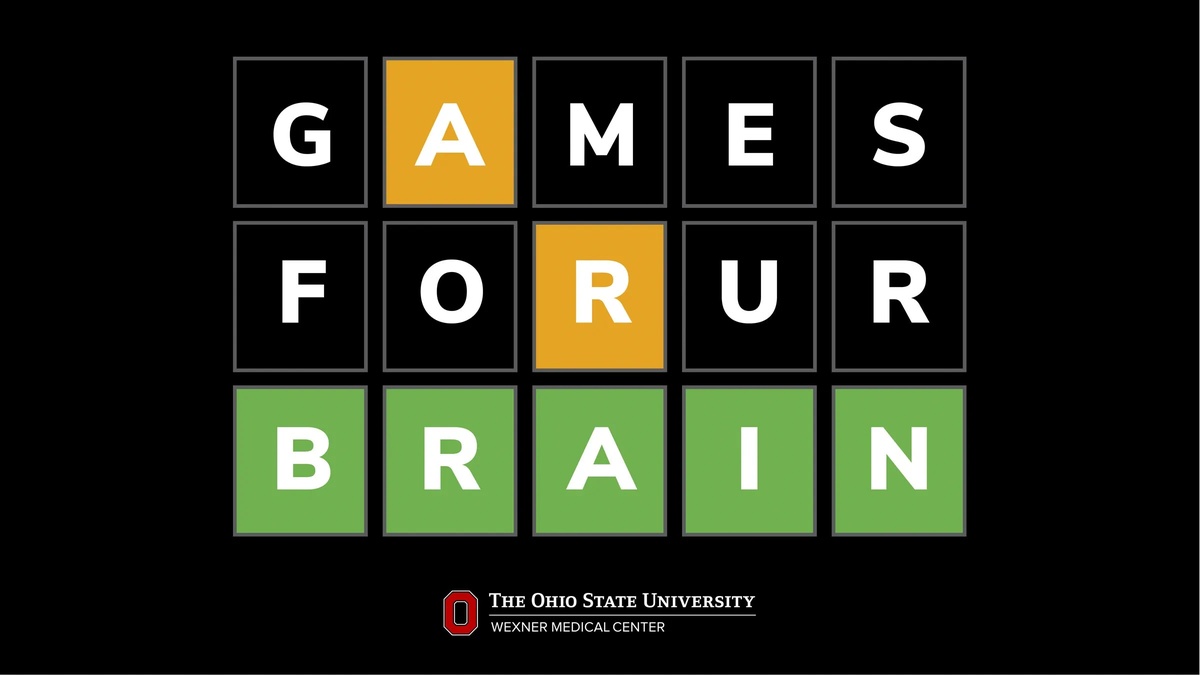
Ever feel like your brain's got cobwebs? Like, you walk into a room, forget why you're there, and then spend five minutes trying to remember the simplest thing? Yeah, me too. Happens all the time, honestly. It's not just age, I reckon; it’s the sheer mental overload of modern life. Our brains are constantly multitasking, but are we actually training them, you know, really giving them a good workout?
That's where the whole world of online brain games comes in. Now, I used to be a bit skeptical, thinking it was just another fad, another screen to stare at. But then, after a particularly frustrating week of forgetting deadlines and misplacing my keys (again!), I thought, 'What's the harm?' And what I found? Well, it wasn't just a distraction. It was genuinely engaging, and, dare I say, kind of enlightening. It's about finding those digital playgrounds that actually make you think, not just scroll.
Beyond the Buzzwords: What Makes a Real Online Brain Game Tick?
Here’s the thing: not every game you play on your phone counts as a 'brain game.' A lot of them are just dopamine hits, right? Pretty pixels and satisfying sounds, sure, but not much heavy lifting for your grey matter. A true online brain game, in my book, challenges specific cognitive functions: memory, attention, problem-solving, processing speed, and even executive functions. It's about focused effort, not mindless repetition.
Cognitive scientists have actually been studying this for ages, and while they’re quick to caution against exaggerated claims (we'll get to that!), there’s a consensus that mental exercise, much like physical exercise, is beneficial. It’s not a magic bullet, but it sure beats just letting your brain vegetate.
My Picks: Diving Into Engaging Online Brain Games You Can Play Today
So, what should you actually play? There's a sea of options out there, but I've got a few types that consistently hit the mark for me. Logic puzzles are a big one, obviously. Sudoku, crosswords, those clever riddles that make you feel like a genius when you finally crack them. They force you to think strategically, to hold multiple variables in your head at once. Then there are the memory games – often simple, but surprisingly effective at sharpening recall. And, you know, reaction time challenges? They’re great for speeding up your processing.
I’m also a huge fan of games that build complex worlds and require deep engagement. You might not think of them as traditional 'brain games,' but the cognitive load is immense. For instance, games that involve intricate lore or strategy, where you're constantly learning and adapting, definitely fall into this category. Like, the kind of detailed world-building you find when exploring something like a Legend of Zelda Encyclopedia; it really makes your brain work to connect all those dots!
The Fine Print: What Online Brain Games Can (and Can't) Do
Now, let's pump the brakes a little. While I'm genuinely enthusiastic about these games, it's crucial to have realistic expectations. No, playing a few rounds of a memory game isn't going to turn you into a super-genius overnight, and it certainly won't magically cure or prevent serious neurological conditions. Anyone making those kinds of promises? Red flag, my friend. Big red flag.
What they can do, though, is help improve specific skills you practice, enhance your focus in the short term, and honestly, just make you feel more mentally agile. It's about consistent, mindful engagement. The frustrating thing about this topic is the overselling by some companies, which overshadows the genuine, modest benefits that are absolutely there.
Leveling Up Your Mindset (Without the Microtransactions)
Integrating these into your routine isn't rocket science. I usually carve out 15-20 minutes a day, maybe during my lunch break or winding down in the evening. It’s not about grinding, but about consistent, deliberate practice. Find games you enjoy, because if it feels like a chore, you won’t stick with it. Some days I'm all about a logic grid, other days I just want to boost my reaction time with a quick challenge. Variety is key, and thankfully, the internet is brimming with free options. For instance, sites like Miniclip or Kongregate often host a treasure trove of quick, browser-based challenges. (a popular online gaming portal). It's a nice way to break up the day, you know?
So, don't overthink it. Just try a few out. See what resonates. Because a little mental push, a little playful challenge, can go a long way in keeping those brain cells firing. Plus, it’s fun!
Frequently Asked Questions About Online Brain Games
Do online brain games actually work?
Yes, many can help improve specific cognitive skills like memory and focus with consistent play, though effects vary.
How often should I play online brain games?
Aim for 15-30 minutes a few times a week. Consistency matters more than long, infrequent sessions.
Are all online brain games equally effective?
Definitely not. Look for games that adapt to your skill level and genuinely challenge different cognitive functions, rather than just repetitive tasks. If you're into narrative, immersive games that challenge your intellect, you might even find something thought-provoking in a game like Wanderstop.
Can online brain games prevent Alzheimer's or dementia?
No, there's currently no strong scientific evidence that online brain games can prevent or cure serious conditions like Alzheimer's or dementia. They are a tool for cognitive fitness, not a medical treatment.
- First important point about the content
- Second point with detailed explanation
- Another noteworthy detail
- Final concluding thought
.png)