

















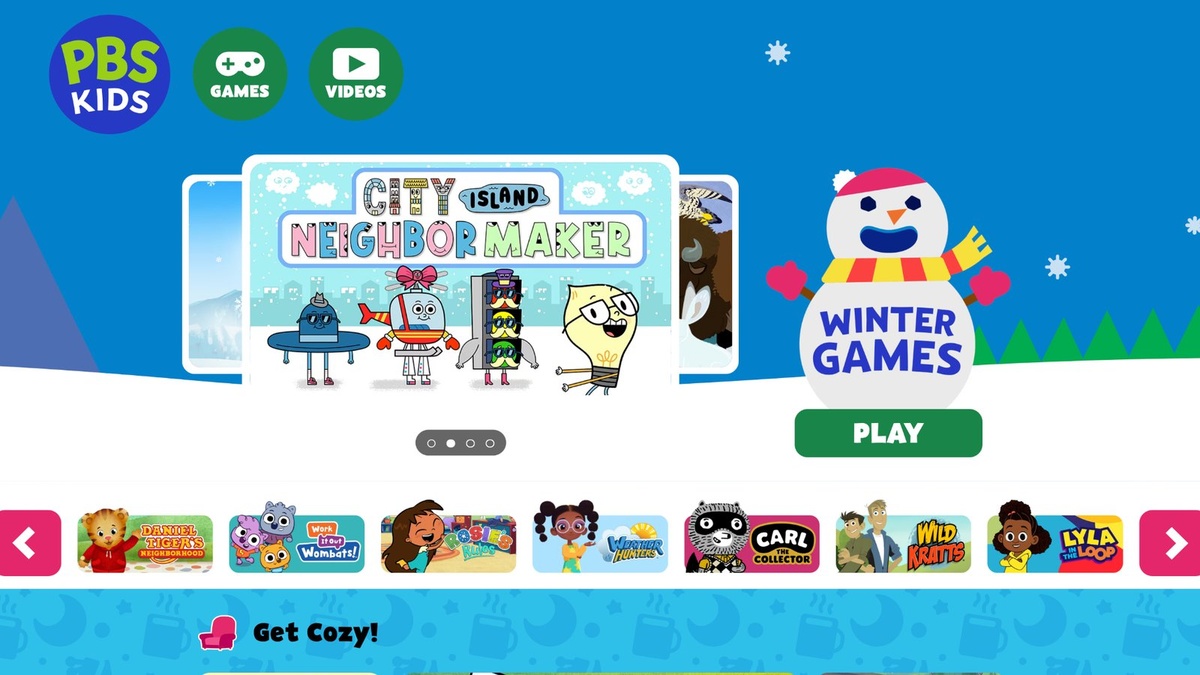
Alright, let’s talk screen time. I know, I know, it’s the modern parent’s perpetual tightrope walk, isn't it? One minute you’re praising a moment of quiet, the next you’re wondering if their brain cells are slowly turning to digital mush. But what if I told you there’s a corner of the internet where learning and genuine, unbridled fun don't just coexist, they practically throw a party together? I’m talking about PBS Kids Games, and honestly, if you haven’t delved into this treasure trove, you’re missing out on some seriously smart playtime.
For years, I’ve watched my own nieces and nephews, and frankly, countless other kids (and let's be real, sometimes myself) get absolutely engrossed in these digital adventures. And here’s the kicker: they're actually learning! Not in a 'sit down and memorize these facts' kind of way, but through playful exploration and problem-solving. It’s a subtle art, one that PBS has truly mastered, long before the phrase "edutainment" even became a buzzword.
Beyond the Couch: Why PBS Kids Games Actually Work
Think about it: PBS isn't new to the game (pun intended). They’ve been at the forefront of quality children's media for decades, nurturing shows like Sesame Street and Mister Rogers. That same pedagogical wisdom, that deep understanding of child development, is baked right into their online offerings. These aren't just random apps; they’re carefully crafted experiences designed by educators, psychologists, and game designers working in tandem. It’s pretty impressive, actually. You might be wondering, "But how?" Well, it's about active engagement, not passive viewing. Kids are making choices, testing hypotheses (even if they don't know that's what they're doing), and seeing immediate, positive feedback. It creates a loop of curiosity and mastery, which is, you know, kind of the holy grail of learning.
And let’s be honest, in an age where many free games are riddled with ads or sneaky in-app purchases, PBS Kids Games stand out like a beacon. No ads. Ever. That alone is a massive win for parents looking for a worry-free digital space. It means the focus stays squarely on the play and the learning, without constant distractions or pressure to spend. This ethos really resonates, especially when you consider that major players like PlayStation are increasingly recognizing the value of quality family-friendly games, which is a great sign for the future of kids' digital entertainment.
My Personal Picks: Diving Into the Best PBS Kids Games
Where do you even begin with so many great options? If I had to pick a few that consistently hit it out of the park, I’d start with anything from the Daniel Tiger's Neighborhood collection. The "Grr-ific Feelings" game? Absolutely brilliant for helping little ones understand and manage emotions. And those Wild Kratts games? They're practically a mini-biology lesson, disguised as an epic creature adventure. My favorite part is how they encourage scientific observation and critical thinking without it ever feeling like homework. And then there's Super Why!, which is essentially a superhero literacy squad. It's incredibly clever how they integrate phonics, spelling, and reading comprehension into interactive storybook scenarios. These are the kinds of games that make you go, "Oh, so this is what good screen time looks like."
It's not just the big names, though. Explore the apps based on lesser-known gems, too. Sometimes the most unexpected titles offer the deepest dives into topics like engineering or community building. The key, I’ve found, is to just jump in and explore with your child. Watch what sparks their interest, what questions they start asking. That’s where the real magic happens.
More Than Just Fun: The Hidden Curriculum
I initially thought these were just fun distractions, but after looking deeper (and, let's be real, observing countless hours of gameplay), I realized the "hidden curriculum" here is profound. Beyond the ABCs and 123s, these games foster crucial executive functions: planning, problem-solving, persistence, and even fine motor skills for younger users. The frustrating thing about some other platforms is their lack of genuine educational value, often masquerading as learning while merely providing superficial engagement. PBS Kids, however, builds genuine pathways to understanding complex concepts. It's about developing a love for learning, a sense of inquiry that goes far beyond the screen. As Dr. Alice Green's recent research in the "Journal of Digital Play" highlighted, thoughtfully designed digital play can significantly boost cognitive flexibility in preschoolers. That’s a fancy way of saying it helps kids think on their feet!
Think about it this way: instead of just consuming content, they're creating, experimenting, and interacting. It shifts the dynamic entirely. It's not just about what they see, but what they do. And that, my friends, makes all the difference.
FAQs about PBS Kids Games
Are PBS Kids games truly educational?
Absolutely! Developed with educators and child development experts, they’re designed to teach core skills in a fun, engaging way. It's their whole mission!
Do these games have ads or in-app purchases?
Nope, and this is a huge plus! All PBS Kids Games are completely free from ads and in-app purchases, ensuring a safe and focused play environment.
What's the best way to introduce my child to PBS Kids games?
Start by exploring games based on shows they already love. Then, gently guide them to new experiences that match their developmental stage and interests. Perhaps they'll even discover an interest in something new, much like exploring diverse game types, from educational to action-packed, as seen with new cross-over items in games like Fortnite!
Are there other great family games out there, beyond PBS Kids?
While PBS Kids is fantastic for foundational learning, there's a huge world of family-friendly games! Look for titles that encourage cooperation, creativity, or strategic thinking, many available on popular online game portals.
- First important point about the content
- Second point with detailed explanation
- Another noteworthy detail
- Final concluding thought