
















Alright, so we need to talk about this whole bizarre "Temu Resident Evil" thing. I mean, seriously? When I first saw that headline – Sony takes down 'Temu Resident Evil' Ebola Village Trailer from YouTube – my coffee almost went flying. What a mashup! It’s like the internet just keeps finding new ways to surprise and, well, honestly, sometimes delight me with its sheer, unadulterated chaos.
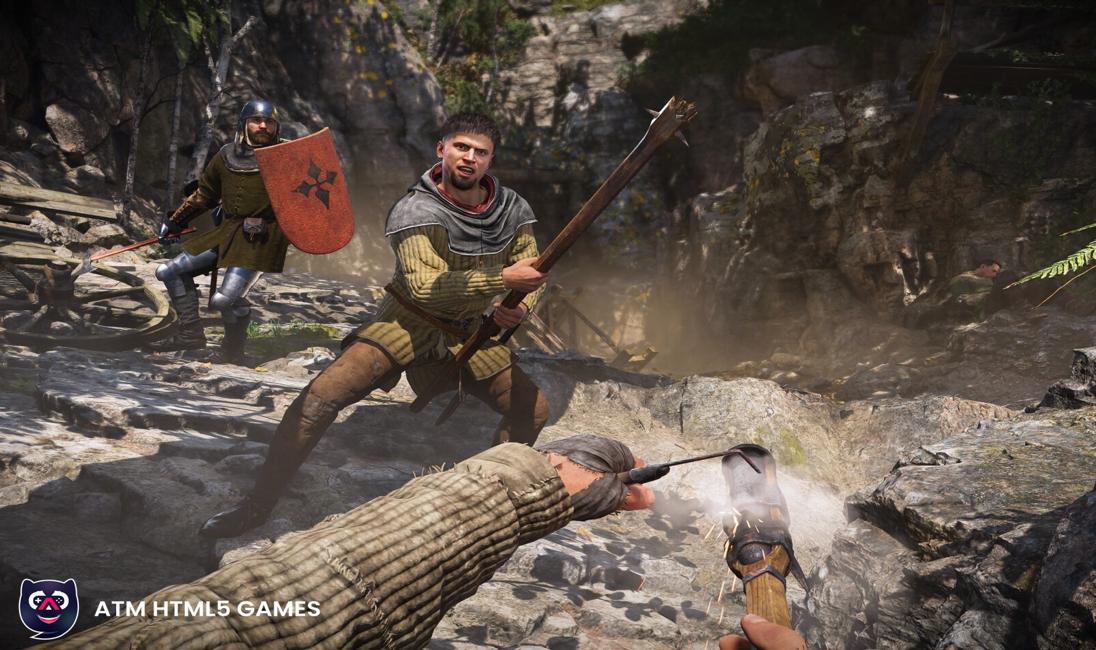
For those who missed the whole wild ride, a fan-made trailer popped up, seemingly blending the ultra-cheap, ubiquitous online marketplace Temu with the grim, survival horror world of Resident Evil. And not just any Resident Evil, but specifically invoking something called "Ebola Village." Just… wow. You might be wondering, how does one even conceive of such a thing? I am too, frankly. But here's the thing about the internet: if you can think it, someone will probably make it. And then, sometimes, it gets yanked down by a major corporation like Sony.
What in the World is "Temu Resident Evil" Anyway?
Let's unpack this for a second. Temu, as you probably know, is that shopping app that's suddenly everywhere, offering ridiculously low prices on... well, everything. Resident Evil, on the other hand, is Capcom's venerable horror franchise, famous for zombies, bioweapons, and making you jump out of your skin. The idea of combining them? It's pure, chaotic fan-fiction energy. We're talking about a concept that's probably born from a meme, a late-night thought, or perhaps a daring challenge among content creators. It wasn't an official game, obviously. It was a fan-made trailer, a parody, a piece of satire meant to poke fun at something, or perhaps just to be wonderfully, terribly weird. And let me tell you, as someone who’s spent more hours than I care to admit immersed in the lore of various video game universes, this sort of creative, boundary-pushing fan content often ends up being some of the most memorable stuff out there. It’s the kind of thing that makes you think, “Wait, is this real?” before realizing, “Oh, it’s even better, it’s internet lore!”
The Unpacking of Sony's Takedown
So, a creative, if utterly bizarre, trailer gets made, it probably goes viral for a hot minute, and then BAM. Sony steps in. Why? Well, nine times out of ten, it boils down to intellectual property (IP). Sony, through its various arms, holds rights related to the PlayStation brand, and more importantly, Capcom’s Resident Evil IP often involves agreements with Sony for console distribution, marketing, and who knows what else. When something hits YouTube that uses their licensed characters, settings, or even just the feel of their property, they have a right – and often a legal obligation – to protect it. Even if it's clearly a joke. Even if it's meant to be harmless. The moment you start messing with copyrighted material, especially when it involves potentially controversial or sensitive themes like "Ebola Village" (which, let's be clear, is a very strong phrase that could easily be misconstrued or cause concern), corporations get nervous. Very nervous. It’s not personal, it’s just business and copyright law.
I remember a few years back, another fan project, a remake of a classic game, got hit with a similar takedown notice. It’s a recurring pattern, really. The passion of fans often clashes with the cold, hard realities of corporate ownership. It's a shame, in a way, because these fan projects sometimes breathe new life into beloved franchises, introducing them to new audiences or simply celebrating them in creative ways. But, as highlighted in numerous legal precedents, IP holders generally have the final say.
Why Does This Stuff Even Happen? (A Look at Copyright & Fan Content)
The core issue here is copyright infringement, pure and simple. Resident Evil is a valuable brand, and anything that uses its likeness without permission, even for parody, can be seen as dilution or unauthorized use. Companies like Sony and Capcom have to be vigilant. If they allow one piece of unauthorized content to exist, it could set a precedent making it harder for them to defend their IP against larger, more commercially damaging infringements later. It's a slippery slope they’re constantly trying to avoid. Think about it this way: if you let someone build a shack on your land, it might be harder to stop them from building a full-blown theme park later, even if the shack was charming. It sucks for the creator of the Temu Resident Evil trailer, for sure, but it’s a standard operating procedure in the world of media and entertainment. Sometimes, even if a fan-made project is fantastic, like some of the amazing fan remakes Sony has shut down over the years, the company has to protect its assets.
What This Means for Content Creators (and Gamers!)
This whole incident serves as a pretty stark reminder for content creators: be careful with established IP. Parody laws exist, yes, but they're complex and often don't provide blanket protection, especially when a large corporation decides to flex its muscles. For gamers, it means that sometimes the coolest, most unexpected fan creations will unfortunately have a short shelf life. It’s a constant dance between creative freedom and corporate control. We might miss out on some truly unique, laugh-out-loud content, but it's the cost of doing business in an industry built on intellectual property.
FAQs About This Whole Wild Ride
What even was the 'Temu Resident Evil' trailer?
It was a fan-made, satirical video combining the aesthetic of the shopping app Temu with the horror themes of Capcom's Resident Evil franchise, specifically referencing "Ebola Village."
Why would Sony take it down?
Likely due to copyright infringement, as the trailer used intellectual property related to the Resident Evil brand without permission, which Sony (through its partnerships) is obligated to protect.
Does this mean all fan content is at risk?
While not all fan content gets taken down, anything using copyrighted material without explicit permission runs the risk of a DMCA takedown notice from the IP holder.
Where can I find similar weird gaming content?
For truly unique and sometimes bizarre indie creations, check out platforms dedicated to experimental games, or even quirky browser games like those in the Sprunki category.
- First important point about the content
- Second point with detailed explanation
- Another noteworthy detail
- Final concluding thought