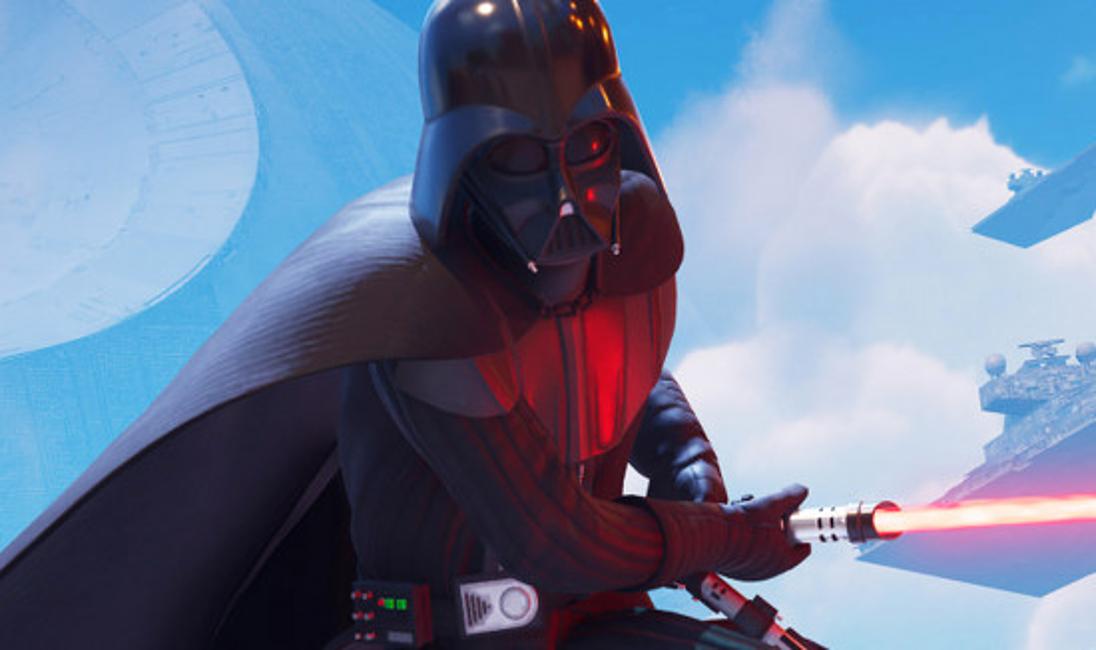













Alright, so we're talking about that game. You know the one. The one that keeps popping up in your feed, the one your friends won't shut up about, the one that, frankly, looks a little… unhinged. There’s always one, isn’t there? A particular title just grabs the zeitgeist by the throat and screams, "Look at me! I'm a truly crazy game!" But what is it, exactly, that makes a game transcend 'popular' and catapult itself into 'certifiably bonkers' territory?
I’ve been pondering this quite a bit lately. It's not just about flashy graphics or even groundbreaking mechanics anymore. It's something deeper, something almost alchemical. And honestly, it’s a fascinating subject to dissect.
Beyond the Hype: What Really Defines a Crazy Game?
You might be wondering, is it just about difficulty? Or maybe sheer unpredictability? Well, yes, and no. Those are definitely ingredients. But a truly crazy game often starts with a premise that's either utterly unique or wildly exaggerated. Think about it: You're not just fighting dragons; you're fighting a dragon that's a literal force of nature and your choices actually impact its resurgence in the world, like in Dragon's Dogma II, which saw some pretty impressive sales, by the way.
It’s about an experience that challenges your expectations at every turn. It often feels like the developers sat around a table, threw out every 'safe' idea, and then picked the one that made everyone nervously laugh. This isn't just a game; it's a statement. And sometimes, that statement is: "We had too much coffee."
Actually, I think a huge part of it comes down to its willingness to break established rules. We gamers, we’re creatures of habit, aren’t we? We expect certain tropes, certain power curves, a sense of progression. But then a crazy game comes along and just… flips the table. Maybe the tutorial is misleading. Perhaps the final boss is introduced in the first five minutes. Or, and this is my personal favorite, the game constantly makes you question your own sanity.
The Psychology of Chaos: Why We Love These Games
So, why do we flock to these digital madhouses? It's not always fun in the traditional sense. Sometimes it's frustrating, even downright infuriating. But there’s a strange magnetic pull to the chaotic. I remember once getting utterly lost in a procedurally generated dungeon, convinced I was making progress, only to realize I'd been going in circles for an hour. Was I angry? A little. But was I also completely hooked on the sheer absurdity of it? Absolutely.
Here’s the thing: these games often tap into a primal part of our brain that craves novelty and challenge. We get bored easily, don't we? The predictable loop, the familiar grind… it can become tiresome. A crazy game, on the other hand, is like a jolt of electricity. It wakes you up. It demands your full attention, forces you to adapt, to think outside the box.
It also creates incredible watercooler (or, let's be real, Discord channel) moments. When you've just experienced something truly bizarre or unbelievably difficult, you have to share it. It’s a shared experience of delightful bewilderment. That communal aspect? It's gold. As highlighted in many leading gaming publications, a game's virality often stems from its ability to generate unique, shareable moments, whether they're triumphs or hilarious failures. You can learn more about game design principles that lead to such engagement on sites like leading gaming publications. It’s about creating a narrative outside the game itself.
Crafting the Unforgettable: Developer Secrets
From a developer's perspective, I've got to admit, this part fascinates me. How do they intentionally cultivate this kind of 'crazy'? It can't just be random, can it? I initially thought it was pure luck, but after looking deeper, it's often a meticulous blend of daring design choices, confident execution, and a willingness to embrace imperfection.
They have to be comfortable pushing boundaries, knowing that not everyone will 'get it,' or even like it. But for those who do, it creates an incredibly loyal fanbase. And that, my friends, is priceless. It requires a singular vision, almost like an auteur director in film. They're not making a game by committee; they're creating their game, with all its beautiful, messy quirks.
It's about taking risks, like throwing unexpected characters into the mix. I mean, did anyone expect the Human Torch and Thing to team up in a new hero shooter? The Marvel Rivals trailer certainly caught a few of us off guard, didn't it? That kind of unexpected reveal? That's the spark of 'crazy' that gets people talking.
Ultimately, a crazy game isn't just a game; it's an event. It's a conversation starter. It's the kind of thing you'll remember years down the line, probably with a mix of fondness and mild trauma. And honestly, isn't that what we're all looking for sometimes? Something genuinely, gloriously, unforgettably crazy?
Frequently Asked Questions About Crazy Games
What makes a game "crazy" in a good way?
A good "crazy game" pushes boundaries, offers unique experiences, and often surprises you, but still maintains a core sense of fun or compelling challenge.
Is a difficult game always a crazy game?
Not necessarily! A difficult game might be challenging, but a crazy game often adds unpredictability, unconventional mechanics, or a bizarre narrative on top of that difficulty.
How do I find a truly unique and crazy game to play?
Look for indie titles, experimental games, or keep an eye on gaming communities that discuss peculiar or boundary-pushing experiences. Sometimes checking out games with unusual sales figures can lead you to unexpected gems!
Can a big-budget AAA title be a crazy game?
Absolutely! While often associated with indies, some AAA games take huge risks with their design, story, or mechanics, resulting in a memorable and sometimes chaotic experience.
- First important point about the content
- Second point with detailed explanation
- Another noteworthy detail
- Final concluding thought
.png)